Decisions That Matter When Replacing Windows and Exterior Doors in the Pacific Northwest
Begin by assessing how your home performs through damp winters and bright summer evenings. Window and exterior door replacements should address drafts, solar gain, and noise without compromising the character of your architecture. Define your goals early: improve comfort, enhance security, and refresh curb appeal. A clear scope lets you compare options objectively and plan a project that supports long-term value rather than piecemeal fixes.
Next, verify the building envelope conditions that influence choices. Many Pacific Northwest homes contend with wind-driven rain, salty marine air, and shaded elevations that hold moisture. Framing integrity, flashing details, and sill conditions guide whether full-frame replacement or insert installations make sense. A thorough inspection prevents surprises, aligns expectations, and helps your installer recommend products that balance durability, performance, and maintenance requirements.
Meanwhile, refine material selections with climate in mind. Fiberglass and clad-wood frames resist swelling and shrinking, while high-quality vinyl can deliver dependable thermal performance with minimal upkeep. For doors, consider insulated fiberglass or engineered wood with robust skins. Energy-efficient glazing packages, warm-edge spacers, and low-e coatings can be tailored to orientations so south- and west-facing openings manage heat while north elevations preserve valuable daylight.
Beyond that, calibrate glass specifications to your neighborhood context. Triple-pane units may reduce street noise and help stabilize indoor temperatures, especially near busy corridors. Tempered and laminated options add safety and security at ground level. In practice, a balanced approach pairs upgraded glazing where it delivers measurable gains with standard configurations in low-exposure areas, maintaining a sensible budget while elevating everyday comfort.
Often, homeowners overlook installation methodology, which is as critical as product selection. Proper pan flashing, sealant compatibility, and backer rod placement are nonnegotiable in a wet climate. Sloped sills, integrated weather-resistive barriers, and correctly sized shims preserve drainage paths and prevent racking. Window and door replacement services that emphasize these details help protect surrounding finishes and extend service life, reducing the likelihood of callbacks and rework.
Then, plan for sequencing that limits disruption. Replacements typically progress elevation by elevation to maintain security and weather protection. Staging materials under cover, protecting floors, and pre-checking unit dimensions streamline the workflow. Clear daily start and stop times, along with temporary barriers for pets and children, keep the household functioning. Good site practices matter as much as craftsmanship when a project touches nearly every room.
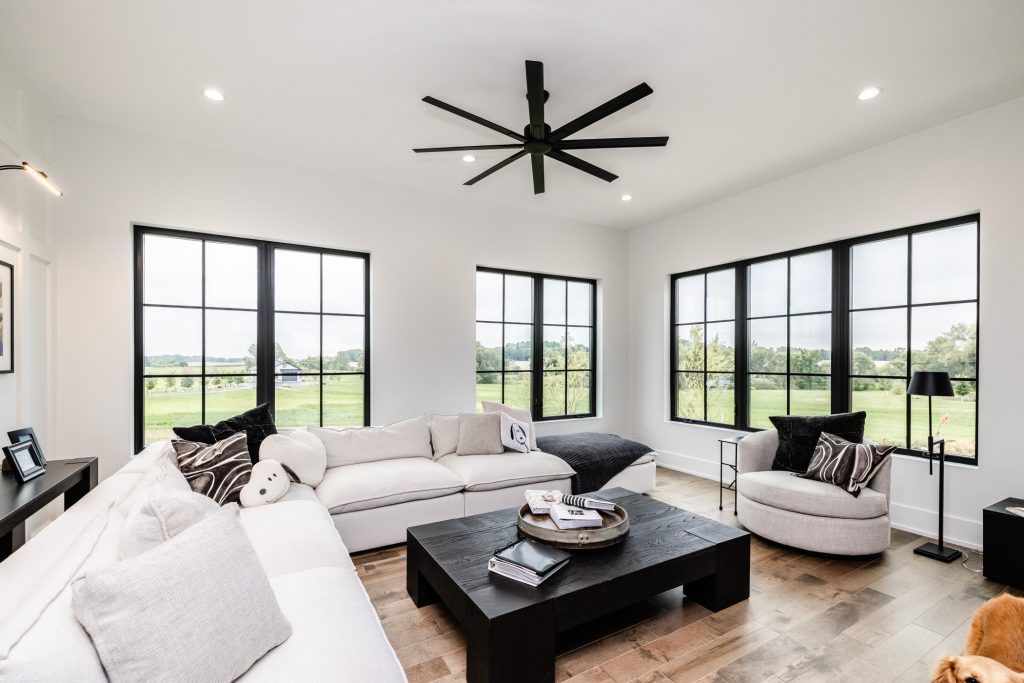
However, aesthetics deserve equal attention. Profile thickness, interior trim integration, and exterior casing details influence the finished look. Sightlines should align across adjacent windows for a clean rhythm, and divided-light patterns can echo the home’s era without sacrificing efficiency. Door hardware in durable finishes, thoughtfully scaled glass lites, and color-matched frames create a cohesive façade that reads intentional rather than pieced together.
Then again, permitting and code compliance shape selections in less visible ways. Egress dimensions, tempered glass near floors or tubs, and threshold accessibility requirements can affect unit sizes and configurations. Partnering with a provider that documents product ratings and validates compliance prevents delays. Proper labeling, warranties retained for your records, and post-install photographs support appraisals and future maintenance planning.
Finally, map a maintenance routine that keeps performance high. Clean weep holes, inspect exterior sealant joints, and verify operability of locks and hinges seasonally. Refinish or touch up exposed trim before minor wear becomes water intrusion. Simple habits preserve energy savings and protect finishes, ensuring your investment continues to perform through coastal storms, mountain cold snaps, and those bright, low-angle summer evenings.
Altogether, an intentional process—scope, materials, installation, sequencing, aesthetics, and upkeep—builds confidence in every decision. Aim for solutions that validate comfort, strengthen security, and enhance curb appeal without excess complexity. With a clear plan and trusted guidance, premium upgrades can deliver quiet rooms, steady temperatures, and a welcoming entry that reflects pride of ownership for years to come.